
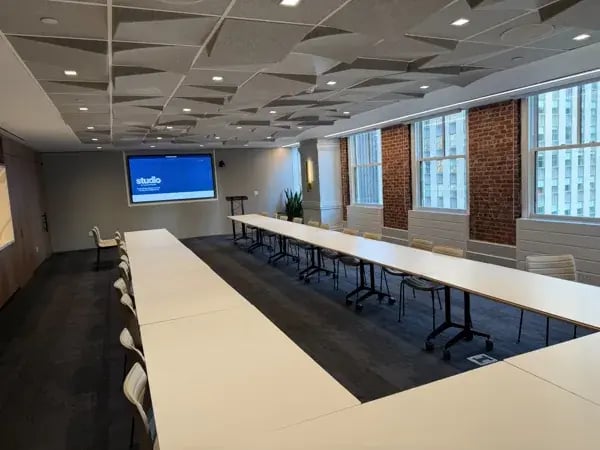

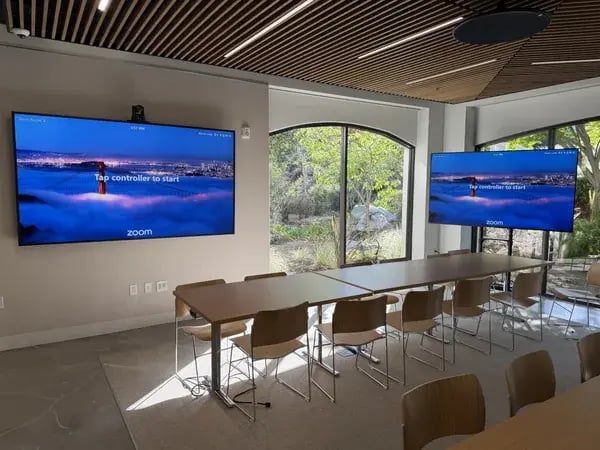

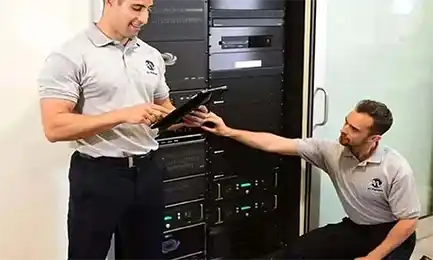





When we think about audio-visual integration, we can't ignore the critical role of audio-visual equipment in shaping our experiences. One such essential piece of equipment is the LCD projector.
In this article, we'll dive into the history of the LCD projector, discuss its integration with AV installations, and examine its importance in various fields.
The History of the LCD Projector
Earliest Projectors
The origins of projectors date back to the 17th century, with the invention of the "magic lantern," a device that used a light source and lenses to project images onto a screen. Over the years, various projectors have been developed, such as slide projectors, overhead projectors, and film projectors.
The Advent of LCD Technology
LCD, or Liquid Crystal Display, technology was first discovered in 1888 but only started gaining commercial application in the mid-20th century. Initially used in wristwatches and calculators, LCD technology made its way into television screens and computer monitors in the 1980s.
The First LCD Projectors
The first LCD projectors emerged in the late 1980s, with companies like Epson and Sony leading the charge. These projectors used a combination of LCD panels, lenses, and light sources to project images onto a screen, offering significant improvements in image quality and size compared to older projection technologies.
The Development of LCD Projectors
Compact and Portable Models
Over the years, LCD projectors have undergone significant advancements, with manufacturers striving to create compact, portable models. This evolution has led to the development of pocket-sized projectors that can easily be carried and set up anywhere.
Advanced Features and Functions
Modern LCD projectors offer a range of advanced features, such as high-resolution imaging, wireless connectivity, and interactive capabilities. These features have made LCD projectors indispensable tools for various applications.
LCD Projector Audio-Visual Integration
Importance of Integration
In today's world, integrating audio and visual components is crucial for creating a seamless and immersive experience. Audio-visual integration ensures that the audience can easily comprehend the content being presented and engage with it effectively.
Methods of LCD Projector Integration
Integrating audio-visual equipment like LCD projectors involves ensuring hardware and software compatibility. This includes connecting the projector to the appropriate display and audio devices and using compatible software to control the setup.
Hardware Compatibility
When integrating LCD projectors with other audio-visual equipment, it's essential to ensure that the devices are compatible. This involves checking connections like HDMI, VGA, or DVI ports and ensuring the projector can properly receive signals from the connected devices.
Software Compatibility
Software plays a critical role in audio-visual integration. You can manage and control the connected devices using compatible software, ensuring a smooth and synchronized experience.
Integrating LCD Projectors With Audio-Visual Equipment
Types of Equipment
A comprehensive audio-visual setup typically includes a range of equipment, such as:
- Display Devices: LCD projectors, LED displays, and interactive whiteboards are common in audio-visual setups.
- Audio Devices: Speakers, microphones, and audio mixers are essential to delivering high-quality sound during presentations or events.
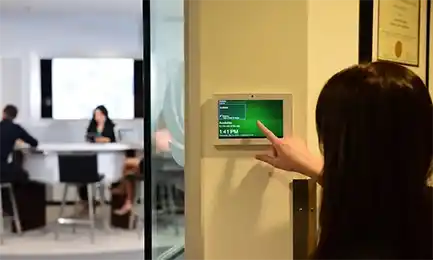
- Control Systems: Control systems like touch panels, or remote controls help manage and operate the audio-visual equipment.
- Connectivity Solutions: Various connectivity solutions like cables, adapters, and wireless technologies are used to establish connections between audio-visual devices.
Advantages of LCD Projectors
Image Quality
LCD projectors offer excellent image quality with high resolution, brightness, and contrast. This ensures the projected images are clear and easily visible, even in well-lit environments.
Versatility
LCD projectors are versatile devices in various settings, from classrooms and boardrooms to home theaters and large events.
Energy Efficiency
Modern LCD projectors are energy-efficient, consuming less power than older projection technologies, resulting in lower operational costs.
Ease of Use
LCD projectors are generally easy to set up and operate, with user-friendly interfaces and controls.
Low Maintenance
LCD projectors have fewer moving parts than traditional projectors, resulting in lower maintenance requirements and longer lifespans.
Applications of LCD Projectors
- Education: LCD projectors are widely used in educational settings, providing students with an engaging and interactive learning experience.
- Business: Businesses utilize LCD projectors for presentations, training sessions, and conferences, ensuring effective communication and collaboration.
- Entertainment: From home theaters to large-scale events, LCD projectors are used to deliver immersive entertainment experiences.
- Events and Presentations: LCD projectors are ideal for events and presentations, offering high-quality visuals that capture the audience's attention.
Future of Audio-Visual Integration
Emerging Technologies
Technological advancements continue to shape the future of audio-visual integration, with emerging technologies such as virtual and augmented reality, the Internet of Things (IoT), and artificial intelligence playing a significant role.
Virtual and Augmented Reality
Virtual and augmented reality technologies are expected to revolutionize our interaction with audio-visual content, offering immersive and interactive experiences.
Internet of Things (IoT)
IoT enables seamless integration of audio-visual equipment with other smart devices, allowing for better control and management of the entire system.
Concluding Our Chat on the LCD Projector
The history of the LCD projector is an exciting journey that highlights the continuous evolution of audio-visual equipment. Integrating LCD projectors with other audio-visual devices has improved communication and immersive experiences in various fields. We can expect even more innovative and captivating audio-visual solutions as technology advances.
Upgrade Your Space With AV Planners
See how our expert AV engineers can help you transform your space with innovative AV installations and equipment, including the LCD projector. Reach out to AV Planners today.
LCD Projector FAQs
When were LCD projectors first introduced?
- LCD projectors were first introduced in the late 1980s by companies like Epson
What are the advantages of using LCD projectors?
- Some advantages of LCD projectors include excellent image quality, versatility, energy efficiency, ease of use, and low maintenance requirements.
How do LCD projectors work?
- LCD projectors use a combination of LCD panels, lenses, and light sources to project images onto a screen. The light passes through the LCD panels, which modulate the color and brightness of the image and is then focused by the lens onto the screen.
What are some common applications of LCD projectors?
- LCD projectors are used in various settings, such as education, business, entertainment, events and presentations, and home use.
What is audio-visual integration?
- Audio-visual integration refers to the process of combining audio and visual components to create a seamless and immersive experience. This involves ensuring hardware and software compatibility and using appropriate control systems to manage the audio-visual equipment.
Read our other posts
Commercial vs. Residential AV Integrators: Choosing the Right Partner for Your Business
If you’re upgrading a conference room or opening a new office, you may wonder whether the company that installed...
From Elvis to the Executive Boardroom: 100 Years of Shure Microphones
Few names in professional audio have the history and recognition of Shure. From the unmistakable chrome...
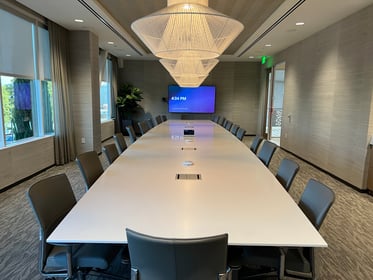
Conference Room Automation: A Guide to Smarter Corporate Meeting Spaces
Modern conference rooms are no longer simply spaces with a display, speakers, and a videoconferencing system....

InfoComm 2026: 5 Q-SYS Innovations Shaping Enterprise Collaboration
InfoComm 2026 once again proved why it remains the premier event for commercial audiovisual technology. While...